Invest in an office that pays you
Produce to the People
Farm to Table in 5 minutes
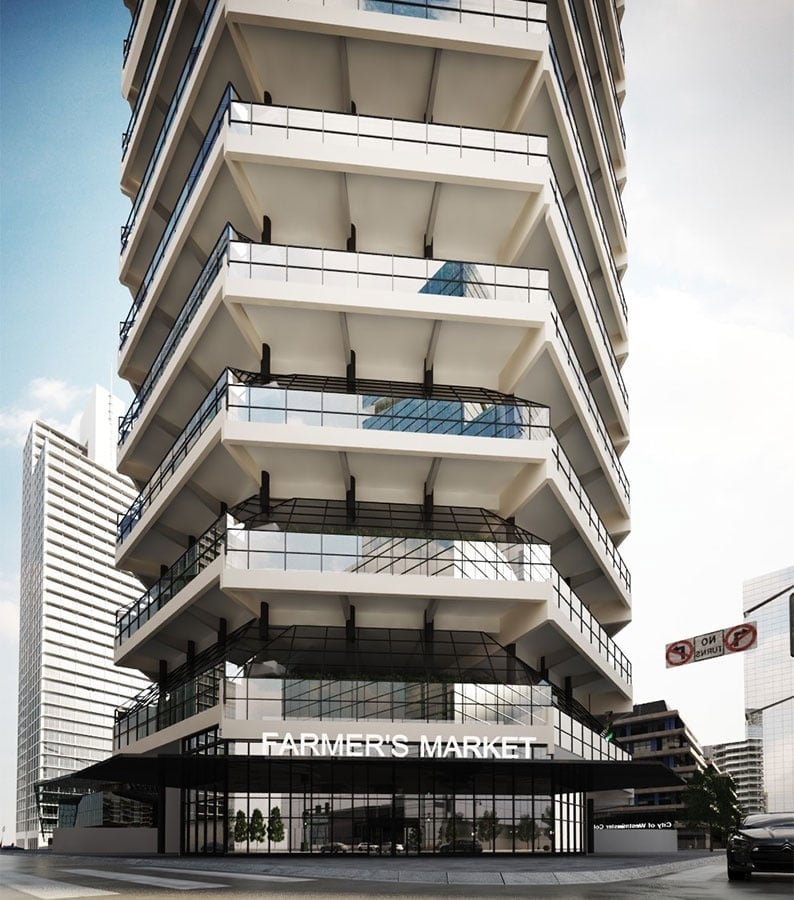
The greatest civilizations in history have controlled architecture and, separately, agriculture. Skyscraper Farm does both. THE prestige project towering high above the hanging gardens of Babylon.
A tower designed to delight your tastebuds; Skyscraper Farm is a live-in culinary experience with the world’s best chefs occupying the top floor reservation-only restaurants. Elegant, Velvet rope Residential Reserve private dining spaces in the restaurant and separate, unique menus for residents and office space owners only.
Pathogen Proof Produce Process TM
Why would you trust your family’s safety to any grower who doesn’t have absolute control over their growing environment?
Positive energy for your family.
With our geothermal, photovoltaic (solar), and water gravity energy production systems, Skyscraper Farm is an energy positive building that surpasses all current forms of LEED certification. Upon completion of the building, Skyscraper Farm will work with the Green Building Council on a new ‘Skyscraper Farm’ level certification. Green Energy Tax Credits will be distributed to condo owners/ investors upon receipt.
Skyscraper Farm is the only Controlled Environment Agriculture solution that can operate as an actual skyscraper due to our recently issued utility patent on our building.
International Energy Aid
Skyscraper Farm will assist the import of state-of-the-art geothermal HVAC systems for developing countries to help them reduce their heating and cooling costs by 40%.
*Contact us for the full investment disclosure. Past performance is no guarantee of future results. Any historical returns, expected returns, or probability projections may not reflect actual future performance. All securities involve risk and may result in partial or total loss. Neither Skyscraper Farm nor any of its affiliates provide tax advice and do not represent in any manner that the outcomes described herein will result in any particular tax consequence. Prospective investors should confer with their personal tax advisors regarding the tax consequences based on their particular circumstances. Neither Skyscraper Farm nor any of its affiliates assume responsibility for the tax consequences for any investor of any investment.
Our Story

We offer an innovative, sustainable solution to feed a growing world
 Social Impact Heroes Helping Our Planet: Why & How Nick Starling of Skyscraper Farm Is Helping To Change Our World
New Farm Design Exceeds 15 of 17 SDG's by 2030
Innovation and Design in Vertical Agriculture and Sustainable Urban Ecosystems
Nick Starling of Skyscraper Farm: “Look into PACE (property assessed clean energy) financing for your home”
The Atlantic Festival

By Nick Starling
Founder and Chairman, Skyscraper Farm
As our world continues to navigate the fallout from the Covid-19 pandemic, we are reminded daily of the fragility of our global food supply chain. Closed ports, grounded planes, empty supermarket shelves, and severely delayed deliveries have heightened global concerns, especially in countries that are hard hit by the virus, import most of their food, or are already experiencing food insecurity. The UN warns that unless food and humanitarian relief is delivered immediately to regions most at risk, more than a quarter of a billion people will be pushed to the brink of starvation.
Swift actions are needed to “pandemic proof” the food supply chain, shortening lengthy distribution cycles, reducing the risk of undernourishment among the world’s most vulnerable, and preparing countries for enduring autonomy in food production.
A higher level of agriculture
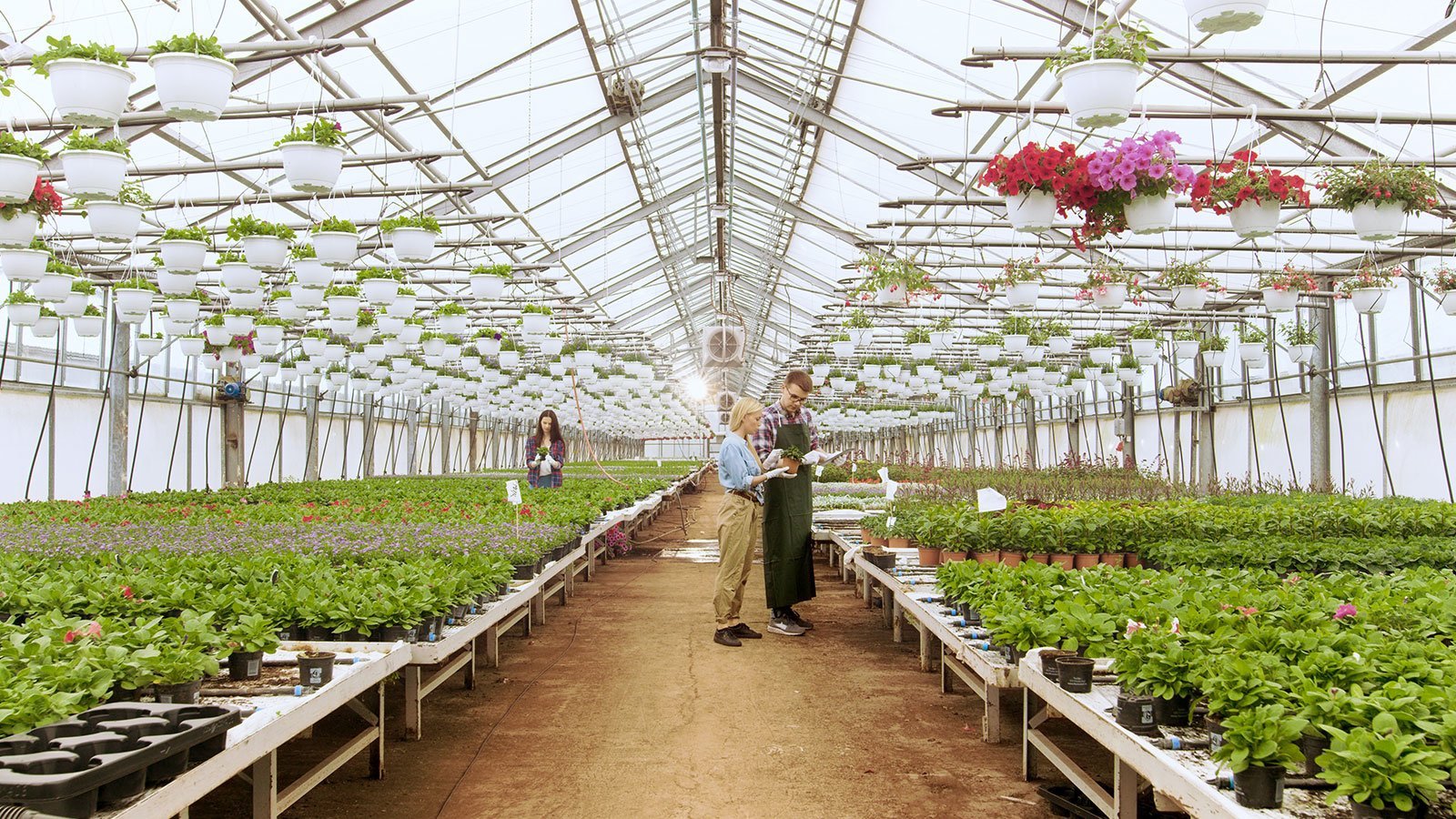
A viable solution for solving pandemic-related food shortages today and tomorrow is vertical farming. It’s the practice of growing crops in vertically stacked layers or on vertically inclined surfaces in high-rise buildings or other versatile structures. Such produce as leafy greens, herbs, berries, vine crops, and more are grown in a climate-controlled system, unaffected by cold, rain, extreme heat, droughts, and when done right, floods and pests. Vertical farming typically produces crop yields hundreds of times higher than the same amount of horizontal agricultural land, with much faster growing periods. In diminishing the distance traveled from point of production to point of consumption, this approach also reduces the negative impacts of agriculture on the environment, such as deforestation and agricultural runoff.
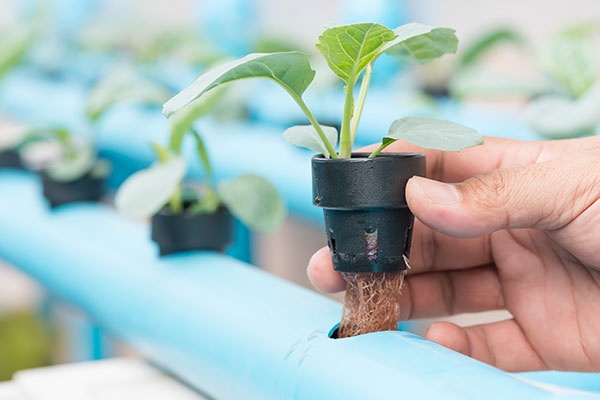
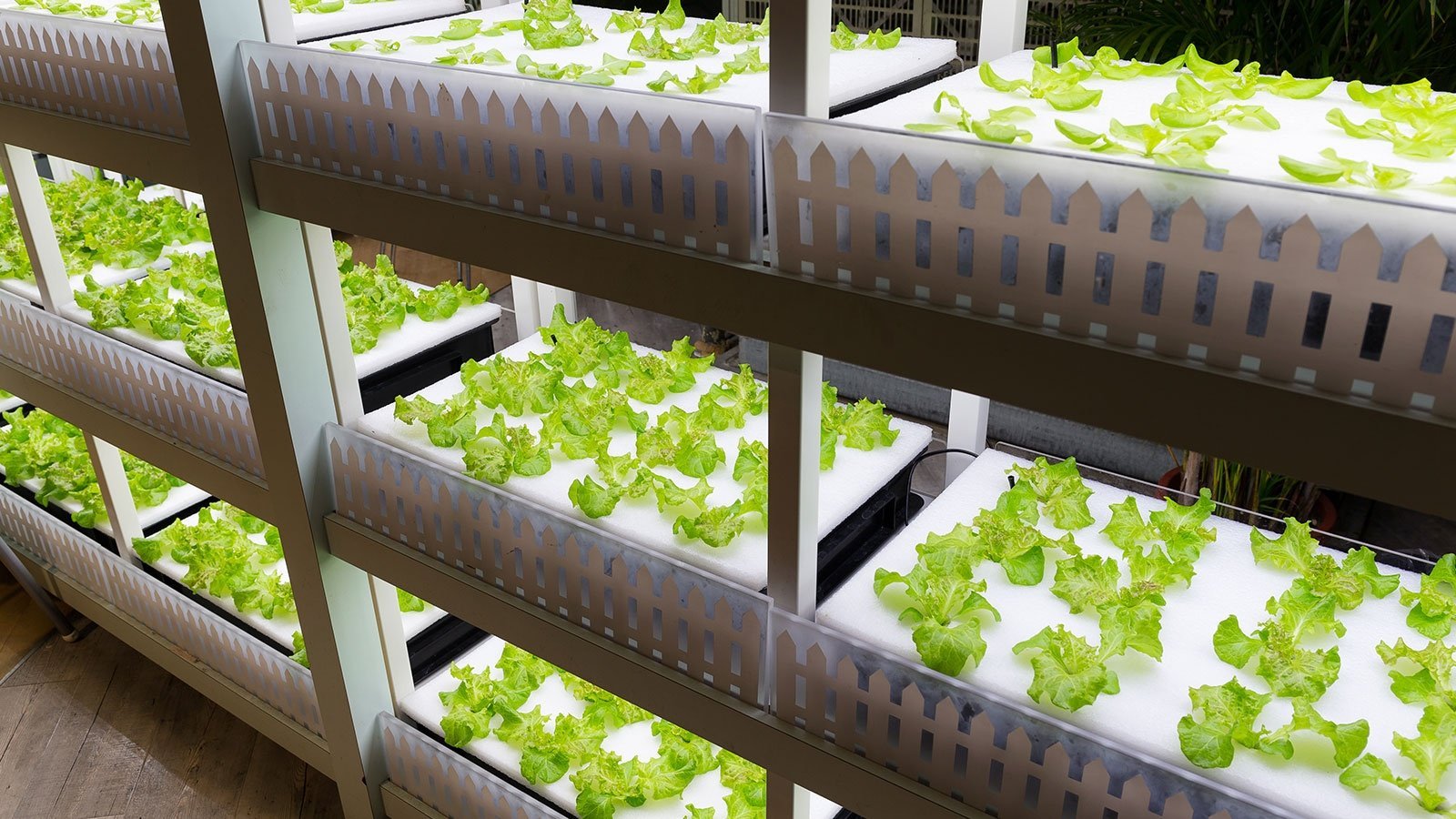
Leading-edge vertical farms use technology to capture sunlight year-round, enabling energy-neutral, nutrient-rich crop production. Emerging technologies have eliminated the need for soil use in plant cultivation, relying instead on such growing mediums as hemp, cotton, or canvas. Plants are placed in water with nutrients (hydroponics) or sprayed with a specialized nutrient mist (aeroponics) to give them the essential minerals they need for optimal growth. The irrigation system is exceptionally efficient, greatly reducing the water supply traditional farming requires. The limitations of land area are overcome, crop yields are increased exponentially, and fresher food arrives much faster to consumer tables.
Horizontal versus vertical farming: by the numbers
The future of food security
The benefits of vertical farming, compared with conventional agriculture, are readily apparent – even more so in a world emergency. Vertical farms do not require fertile land to grow crops and can be set up in or near urban centers. Fresh, safe produce can be grown year-round in any lockdown zone, eliminating the need to transport food from across the country or across the world. Vertical farms with automated operations ease the shortage of farm labor caused by lockdowns and can reduce infection risks by limiting direct contact between workers.
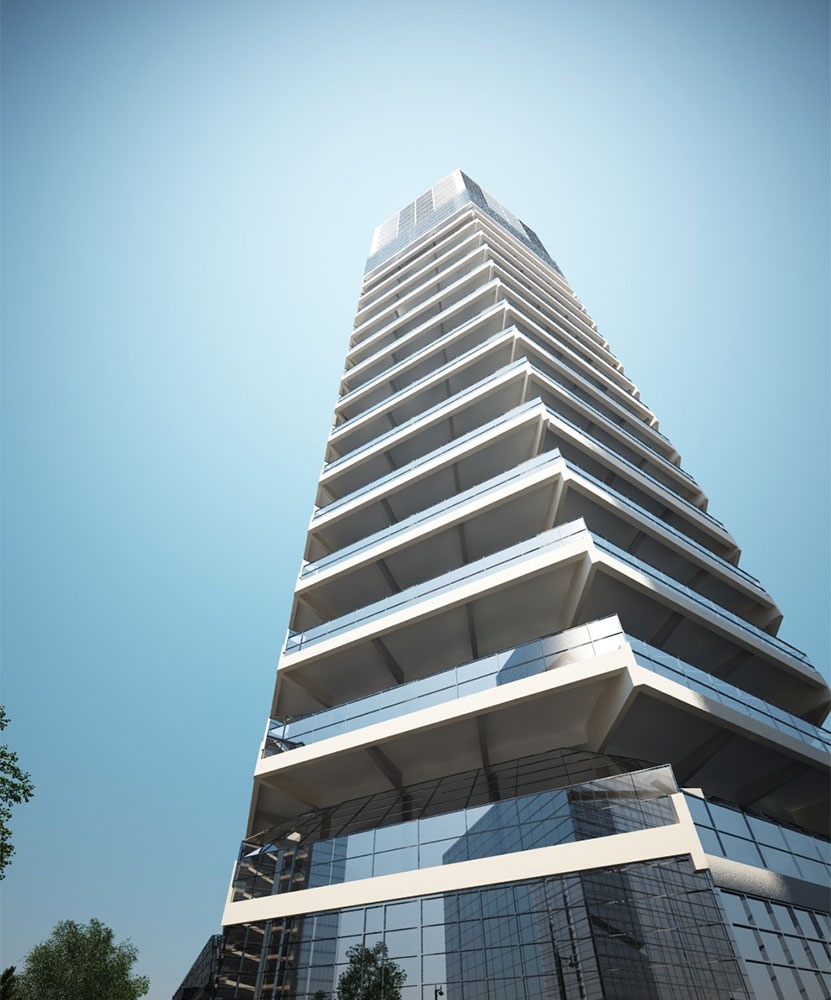
The next generation of vertical farming will combine growing spaces with versatile living and working areas, providing “the ability to create stability” in a global pandemic. For example, Skyscraper Farm has designed three types of buildings: a four-story facility outfitted solely for growing space, a mid-rise built on top of a grocery store, and a 52-story skyscraper that includes residential condos, commercial office space, and restaurants. Consumers can conveniently pick up food from the grocery store in the building where they live or work – or order fresh produce from the indoor farm, receiving delivery in minutes through a sterile vacuum tube.
The challenge of feeding the world's growing population in an era of dwindling natural resources – and in the likelihood of future pandemics – will continue to be met through such new approaches to agriculture. Vertical farms can be a long-term solution for all locales, from teeming cities to vulnerable areas where production is poor. With innovation and inspiration, we can indeed feed the world and save the planet.
Nick Starling is the world's leading vertical farming economist and founder of Skyscraper Farm, LLC. The vision of this Virginia-based business venture is to bring sustainable, cost-effective agricultural products to city centers and remote sites in the U.S. and abroad by combining leading-edge vertical farming with high-end, attractive, mixed-use real estate.

 n
n evelopment: Increasing farm yields at a lower cost for an economic benefit to consumers
 nergy: Increasing energy independence through reduction in oil usage (20% of U.S. oil demand is currently from agriculture!)
 ational Security: Providing safe, stable, and accessible food for our nation’s troops
 griculture: Increasing quantity and quality of supply by harvesting 17-20 times per year and employing selective breeding for maximum nutrients
 inance: Creating less volatility in food pricing through frequent harvests and ability to quickly meet demand
 nvironment: Eliminating agricultural runoff to improve our waterways
 eal Estate: Solving the need to grow up instead of out (as fertile land space is limited!)